Introduction
Modern agriculture relies heavily on advanced protective materials to improve crop yield, reduce environmental impact, and ensure stable food production. Among these materials, Agricultural Cover Film has become an essential solution for greenhouse farming, vegetable cultivation, seedling protection, and crop management.
Agricultural cover film is widely used in farms, greenhouses, nurseries, and commercial agricultural projects due to its excellent insulation, moisture retention, and weather protection performance. With the increasing demand for sustainable and efficient farming, high-quality agricultural films are playing a critical role in modern agricultural development worldwide.
This article explains the functions, benefits, materials, applications, and selection tips of agricultural cover film to help growers and agricultural distributors choose the right solution for their farming needs.
What Is Agricultural Cover Film?
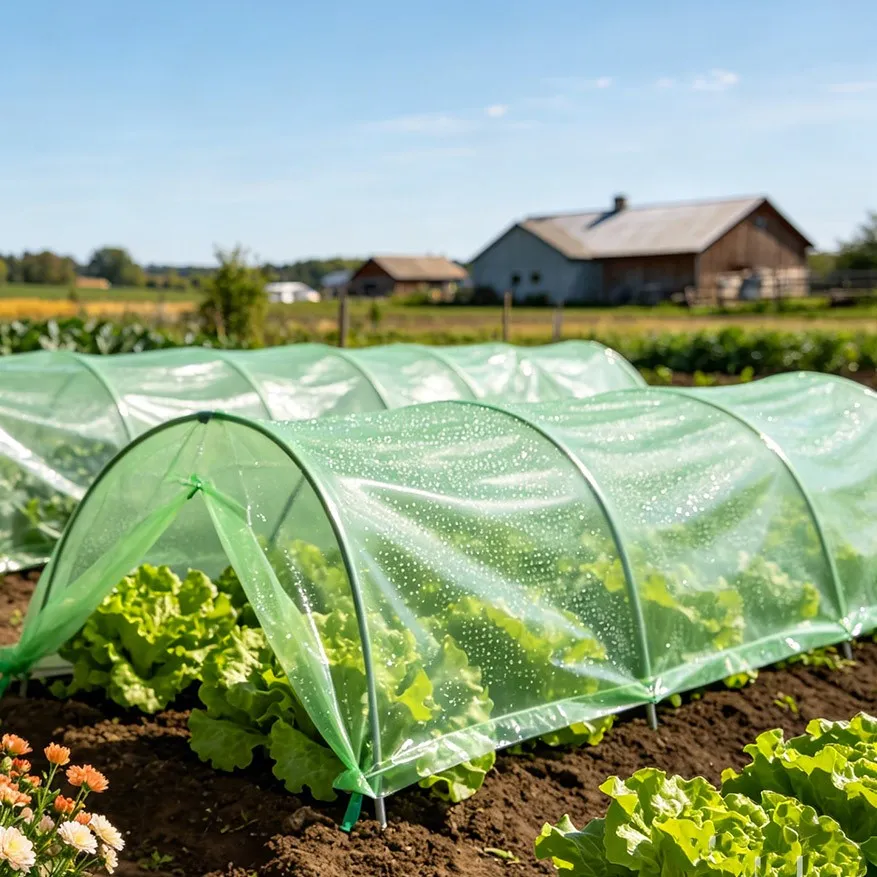
Agricultural Cover Film is a protective plastic film used in agricultural environments to create a stable growing condition for crops and vegetables. It is commonly manufactured from PE (Polyethylene), EVA, or multi-layer co-extruded materials that provide durability, transparency, flexibility, and weather resistance.
The film can be used for:
Greenhouse covering
Tunnel farming
Mulching applications
Seedling protection
Frost prevention
Moisture preservation
Weed control
Different film structures and thicknesses are available depending on climate conditions, crop types, and farming methods.
Main Functions of Agricultural Cover Film
1. Temperature Insulation and Heat Retention
One of the most important functions of agricultural cover film is maintaining stable temperatures around crops. The film helps trap solar heat during the day and reduces heat loss at night.
This creates a warmer environment that supports:
Faster seed germination
Early vegetable growth
Winter crop cultivation
Extended growing seasons
Greenhouse farmers especially benefit from improved temperature control during cold seasons.
2. Moisture Retention
Agricultural cover films help reduce water evaporation from soil, maintaining proper moisture levels for plant growth.
Benefits include:
Reduced irrigation frequency
Improved water efficiency
Healthier root systems
Better crop consistency
This is particularly important in dry climates and regions with limited water resources.
3. Frost and Weather Protection
Extreme weather conditions such as frost, heavy rain, wind, and hail can seriously damage crops. Agricultural films act as a protective barrier that minimizes environmental stress.
Protective advantages include:
Frost resistance
Rain protection
Wind reduction
Hail damage prevention
Stable growing environment
Farmers can significantly reduce crop loss by using high-quality cover films.
4. Improved Crop Yield and Quality
By maintaining consistent growing conditions, agricultural cover films help plants grow faster and healthier.
This often results in:
Higher crop yields
Better product appearance
Improved vegetable freshness
More uniform growth
Increased market value
Commercial farms use agricultural films to maximize productivity and profitability.
5. Weed Suppression
Certain agricultural films are designed to block sunlight from reaching weeds while allowing crops to grow efficiently.
This helps:
Reduce weed growth
Lower labor costs
Minimize herbicide usage
Improve soil management
Weed control films are widely used in vegetable and fruit farming.
6. Pest and Insect Reduction
Protective agricultural films can reduce crop exposure to insects and external contamination.
Benefits include:
Lower pest damage
Reduced pesticide dependence
Cleaner agricultural products
Safer food production
This supports environmentally friendly and sustainable farming practices.
Common Materials Used in Agricultural Cover Film
PE (Polyethylene)
PE agricultural film is widely used due to its flexibility, transparency, and cost-effectiveness. It offers excellent moisture resistance and weather protection.
EVA Film
EVA materials provide better thermal insulation and light transmission, making them ideal for greenhouse applications.
Multi-Layer Co-Extruded Film
Advanced multi-layer agricultural films offer enhanced durability, anti-fog performance, UV resistance, and long-term outdoor usage.
Applications of Agricultural Cover Film
Agricultural cover film is suitable for various farming and cultivation environments, including:
Vegetable greenhouses
Fruit farms
Flower cultivation
Seedling nurseries
Tunnel farming
Organic agriculture
Commercial farming projects
Hydroponic systems
Typical crops include:
Tomatoes
Cucumbers
Lettuce
Strawberries
Watermelons
Peppers
Spinach
Key Features of High-Quality Agricultural Cover Film
When choosing agricultural cover film, buyers should focus on the following characteristics:
High transparency
UV resistance
Tear resistance
Weather durability
Excellent flexibility
Thermal insulation
Anti-drip or anti-fog properties
Customizable thickness and width
Reliable manufacturers also provide customized printing, roll sizes, and technical support based on agricultural requirements.
Sustainable and Eco-Friendly Agricultural Film Solutions
As global agriculture moves toward sustainability, many manufacturers are developing recyclable and biodegradable agricultural films.
Eco-friendly agricultural cover films help:
Reduce environmental pollution
Improve recycling efficiency
Support sustainable farming practices
Meet international environmental standards
Sustainable agricultural packaging and farming materials are becoming increasingly important in modern agricultural supply chains.
How to Choose the Right Agricultural Cover Film Supplier
Choosing an experienced agricultural film manufacturer is essential for product performance and long-term reliability.
A professional supplier should provide:
Stable product quality
ISO and SGS certifications
Custom production capabilities
Technical support
Export experience
Competitive pricing
Consistent delivery schedules
Working with a reliable manufacturer ensures better farming performance and long-term business cooperation.
Conclusion
Agricultural Cover Film has become an indispensable material in modern farming and greenhouse cultivation. From temperature control and moisture retention to crop protection and yield improvement, agricultural films provide significant benefits for growers worldwide.
With continuous advancements in agricultural technology and sustainable farming practices, high-performance agricultural cover films will continue to support efficient, productive, and environmentally responsible agriculture.
For farms, distributors, and agricultural businesses seeking reliable crop protection solutions, choosing high-quality agricultural cover film is a smart investment for long-term agricultural success.