Introduction
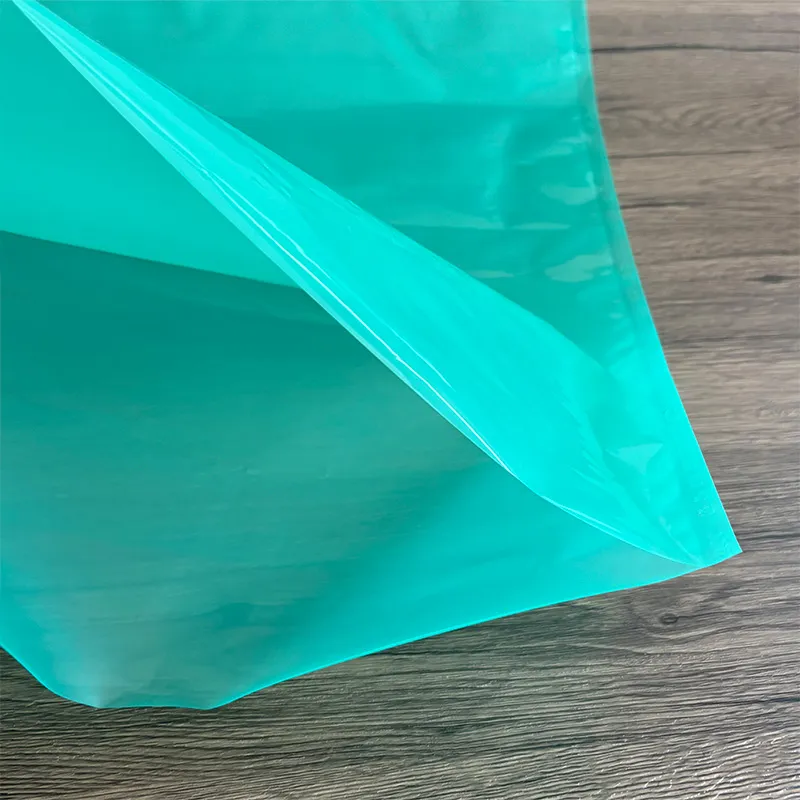
High-temperature steam cooking bags, also known as boil-in-bags, have become an essential solution for both the food processing industry and household kitchens. Designed to withstand boiling water, steam, or microwave heating, these bags offer a convenient, hygienic, and efficient way to cook, store, and transport food products. With a variety of materials, bag types, and practical uses, high-temperature steam cooking bags cater to global food safety standards and consumer demands for ready-to-cook meals.
Materials Used for High-Temperature Steam Cooking Bags
Selecting the right material is crucial for safety, durability, and heat resistance. Common materials include:
| Material | Features | Temperature Range | Suitable Food Types |
|---|---|---|---|
| PA/PE (Nylon/Polyethylene) | High toughness, steam resistance, excellent sealing | 120–130°C | Meat, seafood, vegetables |
| PET/PE (Polyester/Polyethylene) | High transparency, good heat resistance, easy heat sealing | 100–120°C | Prepared meals, frozen foods |
| PA/CPP (Nylon/CPP Film) | High-temperature resistance, anti-burst, low-temperature durability | 120–135°C | Ready-to-cook meals, microwave heating |
| PA/PE/AL (Aluminum Composite) | Oil-proof, water-proof, oxidation-proof | 120–130°C | Vacuum-cooked meals, sauces, curries |
| Biodegradable PLA/PE or PBAT/PE | Environmentally friendly, partially compostable | 80–100°C | Health foods, lightly heated items |
Tip: Nylon (PA) is the primary high-temperature resistant layer, while PE or CPP ensures food-contact safety and strong heat sealing.
Common Bag Types for Steam Cooking
Different bag shapes serve different purposes, from retail display to industrial food processing:
Flat Bag / Pillow Bag
Flat-top design, easy to seal, suitable for bulk packaging
Commonly used for hot-pot ingredients, ready-to-eat meals, and sauces
Stand-up Pouch
Wide bottom for self-standing display, optional resealable zipper
Ideal for fresh vegetables, pre-cooked meals, or meal kits
Vacuum Bag
Removes air to reduce oxidation, fits snugly around the food
Best for meat, fish, and sous-vide or vacuum-packed foods
Perforated Roll Bags
Easy-to-tear, batch-use bags for professional kitchens
Perfect for restaurants, food factories, and frozen food packaging
Zip-lock Steam Bags
Resealable and heat-resistant for home or commercial use
Suitable for microwave steam cooking or portioned meal prep
Note: Bags designed for microwave or steam use should include vent holes or steam valves to prevent bursting.
Packaging Applications
High-temperature steam cooking bags are versatile and widely used in various industries:
1. Food Processing and Ready-to-Cook Packaging
Cooked meat, rice, curry, soups, and sauces
Frozen seafood, meat, and vegetable portions
2. Catering and Household Use
Microwave-ready meals and meal prep kits
Pre-portioned frozen vegetables, hot-pot ingredients
3. Cold Chain Logistics and Export
Water-resistant, oil-proof, and leak-proof packaging
Suitable for sterilization and export food safety compliance
4. Multi-functional Packaging
Premium meal kits and branded food gift boxes
OEM/ODM packaging for custom branding and retail promotions
Why Choose High-Temperature Steam Cooking Bags?
Food Safety Compliance: All materials meet FDA and EU food-contact standards.
Durability: Resistant to boiling water, steam, and microwaves without deformation.
Convenience: Simplifies cooking, reduces cleanup, and allows for hygienic portion control.
Customization: Available in multiple materials, bag types, and sizes to match brand requirements.
Sustainability: Biodegradable options help reduce environmental impact.
Conclusion
High-temperature steam cooking bags combine convenience, safety, and efficiency, making them essential for both commercial and household food applications. By choosing the right materials, bag types, and packaging methods, businesses can ensure food safety, enhance consumer experience, and optimize logistics.
Whether you are a food manufacturer, retailer, or household user, high-temperature steam cooking bags provide an innovative solution for modern food preparation, storage, and distribution.