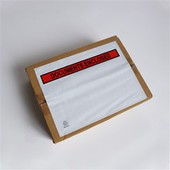
Mailing bags (courier bags, postal bags) are widely used in the market, mainly serving the fields of logistics, e-commerce, personal mailing and corporate transportation. The following are its specific application scenarios and characteristics:
1. E-commerce and retail industry
Goods delivery: E-commerce platforms (such as Taobao, Amazon, etc.) and small and medium-sized sellers often use mailing bags to package lightweight items such as clothing, books, small items, etc., which are low-cost and easy to label.
Return and exchange service: Provide prepaid return bags to simplify the consumer return process.
Environmental trend: Degradable mailing bags have become an environmentally friendly choice for brand owners (such as Tmall and JD.com), enhancing the corporate image.
2. Logistics and express delivery industry
Standardized transportation: Express companies (SF Express, DHL, etc.) use mailing bags of different specifications to sort packages to improve efficiency.
Anti-breakage design: Bubble film mailing bags protect fragile items such as electronic products and cosmetics.
International transportation: Mailing bags made of waterproof and moisture-proof materials are suitable for cross-border logistics to avoid damage during long-distance transportation.
3. Personal and family use
Daily mailing: mailing documents, gifts, idle items, etc., commonly found in ziplock bags provided by postal EMS or express delivery outlets.
Moving and storage: temporary use of mailing bags to classify and pack scattered items.
4. Enterprise and industrial fields
Document delivery: enterprises often use official document bags to send important information such as contracts and invoices, some of which require confidentiality design (such as tamper-proof envelopes).
Sample delivery: manufacturing uses thick mailing bags to deliver small samples or parts.
Subscription service: magazines and monthly gift boxes (such as beauty subscriptions) often use customized mailing bags.
5. Special scene applications
Medical logistics: When hospitals or pharmacies send medicines and test reports, they use special bags that are antibacterial and moisture-proof.
Agricultural product transportation: breathable mailing bags are used for fresh food e-commerce to send small agricultural products (such as dried fruits and tea).
Charitable donations: when public welfare organizations collect old clothes and stationery, they use mailing bags in batches to reduce costs.
6. Innovation and customization needs
Brand marketing: Companies customize mailing bags with LOGO printed on them to enhance brand exposure (such as Xiaomi and Nike's e-commerce packaging).
Smart integration: Some mailing bags have built-in RFID tags for high-end logistics tracking.
Environmentally friendly materials: Recyclable plastic-free kraft paper bags and corn-based material bags respond to environmental protection policies.
Core advantages of mailing bags
Lightweight and economical: Compared with cartons, they reduce transportation weight and costs.
Flexible adaptation: A variety of sizes (A4, A5, etc.) and materials (PE, PP, kraft paper) are available.
Safe and convenient: Self-adhesive sealing, anti-theft tearing design, waterproof coating, etc. meet different needs.
With the development of e-commerce and green logistics, mailing bags continue to innovate in functionality and sustainability (degradable, recyclable), and application scenarios will be further expanded.