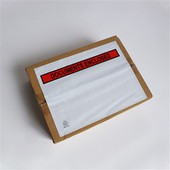
FOD is the abbreviation of Foreign Object Debris / Damage in English, which means foreign objects, debris / foreign object damage. It is mainly used in industries such as aviation, electronics, and precision manufacturing to prevent foreign objects from mixing into products or production environments. Affix/print FOD warning signs on packaging bags, packaging materials, or factory operation areas remind staff to prevent foreign objects from mixing in, thereby reducing the safety risks of aircraft operations. The following are its possible meanings and uses:
1. FOD warning effect
The FOD sign on the bag reminds users to pay attention to the hazards of foreign objects and ensure that items are properly packaged to avoid falling or being left in key areas such as aprons and runways.
Suitable for storing small tools, parts, maintenance consumables, etc. to prevent them from becoming aviation safety hazards.
2. Uses of slider ziplock bags
Tool management: used to store small metal parts such as screws, nuts, and washers to prevent them from scattering and forming high-risk FOD.
Waste collection: used to temporarily store low-risk FOD such as wrapping paper and plastic fragments in the apron or maintenance area for centralized treatment.
Standardized packaging: Some airlines may require the use of bags with FOD logos to comply with safety management regulations.
3. Materials and design
Usually made of wear-resistant, anti-static plastic or nylon materials to ensure durability and reduce the risk of static adsorption of debris.
May have a transparent window to facilitate quick inspection of contents, reduce the number of openings and closings, and reduce the probability of FOD generation.
4. Industry application examples
In places such as the Capital Airport, similar bags may be used for "FOD for FOOD" activities to encourage employees to collect and properly dispose of foreign objects.
Maintenance personnel may use such bags to store disassembled old parts to avoid leaving them in the work area.