Quick Overview
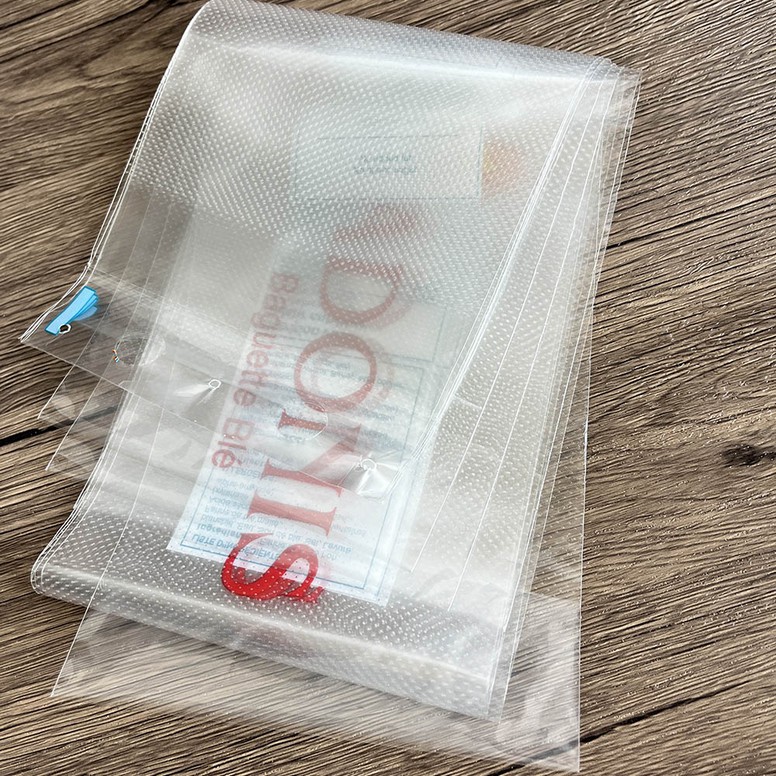
Perforated plastic bags are specially designed packaging bags featuring small, evenly spaced holes (micro or macro perforations) that allow controlled airflow, moisture release, or easy tearing. Widely used in food packaging, retail, and industrial applications, they offer a balance between protection and ventilation.
This guide explains what perforated plastic bags are, their key benefits, and how to strategically source them for your business.
What Is a Perforated Plastic Bag?
A perforated plastic bag is a polyethylene (PE), polypropylene (PP), or biodegradable plastic bag that includes precision-punched holes across its surface or along specific lines.
Key Characteristics:
Micro or macro perforation holes
Controlled ventilation or breathability
Optional tear-line perforation for easy opening
Available in rolls, sheets, or individual bags
Customizable size, thickness, and hole density
Types of Perforated Plastic Bags
1. Micro-Perforated Bags
Tiny holes for air exchange without compromising hygiene
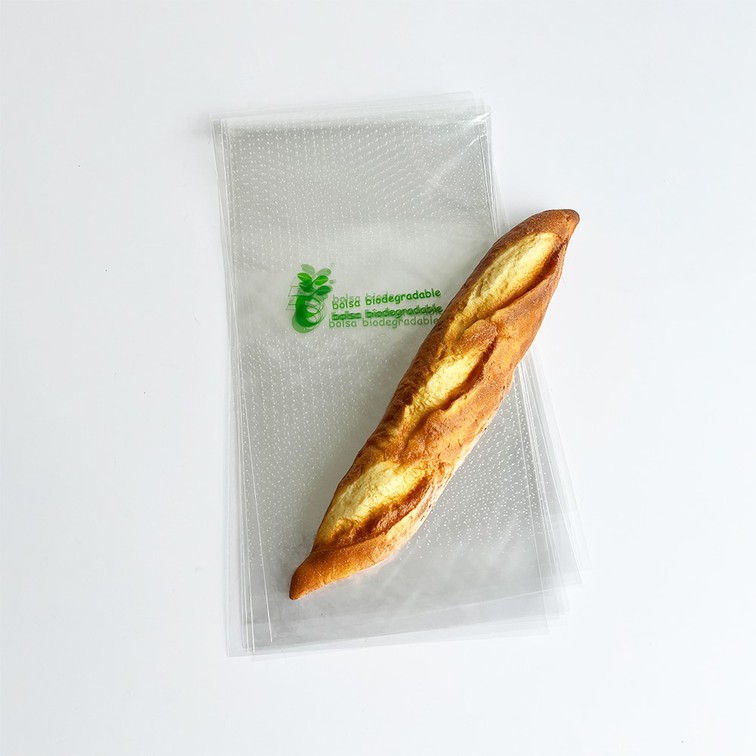
Common in bakery, fruits, and vegetables packaging
2. Macro-Perforated Bags
Larger holes for maximum ventilation
Used for agricultural or industrial packaging
3. Perforated Bags on Roll
Connected by tear lines for high-speed automatic packaging
Ideal for supermarkets and food processing lines
4. Tear-Off Perforated Bags
Feature perforation lines for easy separation
Used in retail and logistics
Key Benefits of Perforated Plastic Bags
1. Improved Product Freshness
Perforation allows airflow, reducing condensation and preventing spoilage-especially for fresh produce and baked goods.
2. Moisture Control
Helps release excess humidity, maintaining product quality during storage and transportation.
3. Enhanced Convenience
Tear-line perforations enable easy dispensing and improve packaging efficiency.
4. Cost-Effective Packaging
Lightweight materials reduce shipping costs while maintaining functionality.
5. Customizable Design
Supports OEM/ODM customization:
Hole size and spacing
Bag dimensions and thickness
Printing and branding
Applications Across Industries
Food Industry
Bread, bakery products
Fruits and vegetables
Frozen food packaging
Retail & Supermarkets
Produce bags on rolls
Self-service packaging
Industrial & Agriculture
Plant packaging
Ventilated storage bags
E-commerce & Logistics
Tear-off mailing or sorting bags
Material Options and Structure
| Material | Features | Applications |
|---|---|---|
| LDPE | Flexible, transparent | Food packaging, retail |
| HDPE | Strong, lightweight | Produce bags on rolls |
| PP | High clarity, rigid | Bakery packaging |
| Biodegradable (PLA/PBAT) | Eco-friendly | Sustainable packaging |
Common Sizes & Thickness
| Application | Size Range | Thickness |
|---|---|---|
| Produce bags | 10–30 cm | 10–30 microns |
| Bakery bags | 15–40 cm | 20–40 microns |
| Industrial bags | Custom | 30–80 microns |
Custom sizes and thicknesses are widely available.
Production Process Overview
Blown Film Extrusion – Producing base plastic film
Perforation Process – Mechanical punching or laser perforation
Bag Conversion – Cutting, sealing, and shaping
Printing (Optional) – Branding and labeling
Packaging – Roll or bulk packing
Strategic Procurement Guide (B2B Focus)
1. Define Your Application Requirements
Do you need breathability or easy tearing?
What products will be packed (food, industrial goods)?
2. Choose the Right Perforation Type
Micro-perforation for freshness
Macro-perforation for airflow
Tear-line perforation for convenience
3. Evaluate Material and Compliance
Food-grade certification (FDA, EU standards)
Eco-friendly or recyclable materials
Durability and tensile strength
4. Consider Customization Capabilities
Work with suppliers offering:
Custom hole density and size
OEM logo printing
Flexible MOQ for bulk orders
5. Assess Supplier Reliability
Certifications: ISO9001, ISO14001, SGS
Production capacity and lead time
Experience in export markets
6. Optimize Cost vs. Performance
Avoid choosing the lowest price blindly-focus on:
Product consistency
Reduced waste and damage
Long-term supplier partnership
Packaging & Logistics Options
Rolls (perforated tear-off design)
Flat packed bundles
Carton packaging (500–2000 pcs/box)
Palletized shipping for bulk orders
Market Trends in Perforated Packaging
Increasing demand for fresh food packaging solutions
Growth of eco-friendly perforated biodegradable bags
Automation-compatible bags on roll systems
Custom branding for retail differentiation
FAQ
Q1: Are perforated plastic bags food-safe?
Yes, when made from food-grade materials like LDPE or PP and compliant with FDA/EU standards.
Q2: Can perforation weaken the bag?
Properly designed perforation maintains structural integrity while providing ventilation.
Q3: Are biodegradable perforated bags available?
Yes, materials like PLA and PBAT support eco-friendly perforated packaging.
Q4: Can I customize perforation patterns?
Absolutely. Hole size, spacing, and density can be tailored to your needs.
Conclusion
Perforated plastic bags are a versatile and efficient packaging solution that combines ventilation, freshness preservation, and operational convenience. For B2B buyers, strategic sourcing-focused on material quality, perforation design, and supplier capability-can significantly improve packaging performance and reduce overall costs.
If you're looking for custom perforated plastic bag solutions, partnering with an experienced manufacturer offering OEM/ODM services will ensure your packaging meets both functional and branding requirements.