Product Overview
In the packaging industry, plastic film rolls are essential materials that combine product protection, storage convenience, and cost-effectiveness. Whether you're a small business owner seeking dependable packaging solutions or a wholesale buyer looking for high-quality supplies, understanding the types, uses, and sourcing essentials of plastic film rolls is key to making informed decisions.
This comprehensive guide covers everything you need to know about plastic film rolls for packaging-helping you select the right product, optimize your packaging process, and maximize value from wholesale purchases.
What Is a Plastic Film Roll?
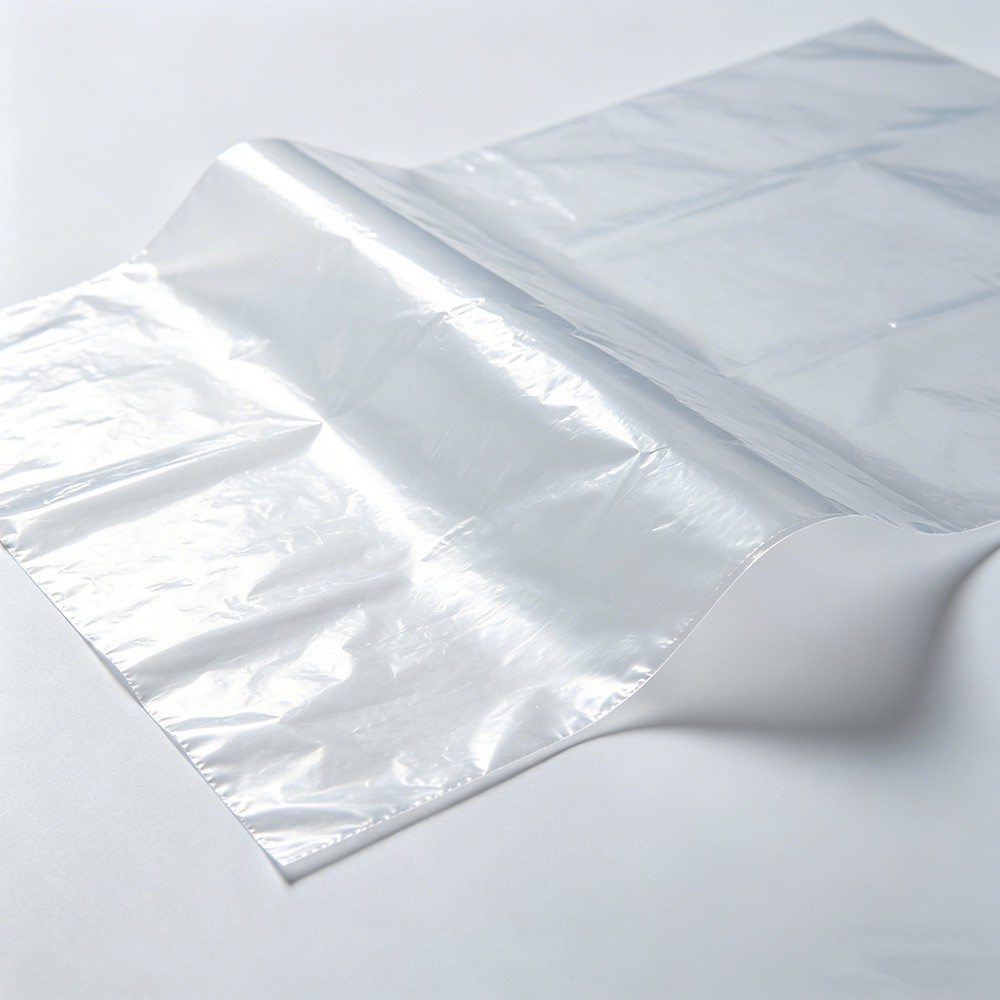
A plastic film roll is a continuous sheet of thin, flexible plastic material wound around a core, designed for a wide range of packaging applications. Made from various polymers, these rolls can be customized in thickness, width, and properties such as transparency, durability, and heat resistance to meet diverse industry needs.
From protecting fragile items during shipping to preserving food freshness, plastic film rolls offer versatility, efficiency, and cost savings. Unlike pre-cut plastic sheets, rolls allow businesses to cut the exact length needed, reducing waste and lowering packaging costs-making them ideal for both small-scale operations and large-volume wholesale users.
Common Types of Plastic Film Rolls for Packaging
Not all plastic film rolls are the same. The right choice depends on your packaging goals, product type, and environmental considerations. Below are the most popular types used in packaging today.
1. Polyethylene (PE) Plastic Film Roll
Polyethylene is the most widely used material for plastic film rolls, valued for its durability, flexibility, and affordability. It comes in three main variants:
Low-Density Polyethylene (LDPE): Soft, flexible, and tear-resistant. Ideal for wrapping irregularly shaped items, food packaging (produce, bread, snacks), and stretch wrapping for pallets. Also waterproof, making it suitable for moisture protection during storage and shipping.
High-Density Polyethylene (HDPE): Stiffer and more rigid than LDPE, offering better puncture resistance and tensile strength. Commonly used for heavy items, industrial parts, bulk goods, as well as plastic bags and shrink film.
Linear Low-Density Polyethylene (LLDPE): Combines the flexibility of LDPE with the strength of HDPE. Perfect for stretch wrapping, bundling, and packaging items requiring both flexibility and durability-such as furniture, electronics, and construction materials.
2. Polypropylene (PP) Plastic Film Roll
PP film rolls are known for high clarity, stiffness, and heat resistance. They are often used for packaging products that benefit from visibility, such as cosmetics, electronics, and food items (e.g., chips and candy). PP film resists oils and chemicals and can be easily heat-sealed, making it ideal for airtight packaging that preserves freshness.
3. Polyvinyl Chloride (PVC) Plastic Film Roll
PVC film rolls offer excellent transparency, flexibility, and barrier properties. They are widely used for shrink wrapping (e.g., bottles, cans, gift sets) and food packaging-though food-grade PVC must meet strict safety standards. PVC is also moisture- and chemical-resistant, suitable for industrial and retail use. However, it is less environmentally friendly than PE or PP, leading many businesses to choose greener alternatives.
4. Eco-Friendly Plastic Film Rolls
With growing demand for sustainable packaging, eco-friendly plastic film rolls are gaining popularity. These include biodegradable films (made from plant-based materials like cornstarch), compostable films, and recycled plastic films. They offer similar functionality to traditional films but break down naturally over time, reducing environmental impact. Ideal for businesses aiming to align with green initiatives and meet consumer demand for sustainability.
Key Uses of Plastic Film Rolls in Packaging
Plastic film rolls serve nearly every industry that requires packaging. Below are the most common applications to help you identify how they can benefit your business.
1. Food Packaging
Plastic film rolls are widely used in food packaging-from wrapping fresh produce, meat, and dairy to sealing snacks and baked goods. They help preserve freshness, prevent contamination, and extend shelf life. Food-grade films (e.g., LDPE and PP) comply with global safety standards such as FDA and EU food contact regulations.
2. Stretch Wrapping & Pallet Packaging
For businesses shipping bulk goods or pallets, stretch film rolls (typically LLDPE) are indispensable. They wrap tightly around pallets to secure items, prevent shifting during transit, and protect against dust, moisture, and damage-reducing product loss and improving shipping efficiency.
3. Retail & Consumer Packaging
In retail, plastic film rolls are used to package individual products (e.g., cosmetics, electronics, toys) for display and protection. Clear films (like PP or PVC) offer product visibility, while colored or printed films support branding and marketing. They are also used for gift wrapping, bundling multiple items, and creating tamper-evident packaging.
4. Industrial & Manufacturing Packaging
Industrial applications include wrapping machinery parts, building materials, and raw materials. Heavy-duty films (such as HDPE or LLDPE) provide puncture and tear resistance, protecting fragile or heavy items during storage and shipping. Plastic film is also used to cover equipment and prevent dust and corrosion.
5. Protective Packaging
For fragile items (e.g., glassware, electronics, artwork), plastic film rolls-often used with bubble wrap or foam-add an extra layer of protection. The film conforms to the item's shape, absorbing shock and preventing scratches, dents, or breakage during transit.

Wholesale Guide for Plastic Film Rolls: Tips for Buyers
Buying plastic film rolls wholesale is a cost-effective strategy for high-volume packaging needs. Follow these tips to navigate the wholesale market, choose the right supplier, and get the best value.
1. Define Your Requirements Clearly
Before contacting wholesale suppliers, clarify:
Type of film (PE, PP, PVC, or eco-friendly)
Thickness and width
Expected order volume
Packaging goals (e.g., food safety, durability, sustainability)
Clear requirements help you narrow down suppliers and avoid costly mistakes.
2. Choose a Reputable Wholesale Supplier
The quality of your film depends on the supplier. Look for:
Proven track record and positive customer reviews
Certifications (e.g., FDA for food-grade film, ISO for quality management)
Customization options (sizes, printed film)
Sample availability for quality testing before bulk orders
3. Compare Pricing & Terms
Wholesale pricing varies by volume, material, and supplier. Compare multiple quotes to ensure competitive pricing, but don't sacrifice quality for a lower price-poor-quality film can lead to product damage, waste, and higher long-term costs. Also review payment terms, delivery times, and return policies.
4. Consider Minimum Order Quantities (MOQs)
Most wholesale suppliers have MOQs. Small businesses should look for suppliers with flexible MOQs, while larger operations may benefit from higher MOQs that lower per-unit costs. If space is limited, inquire about storage options.
5. Prioritize Sustainability (If Relevant)
If sustainability matters to your business, seek suppliers offering eco-friendly plastic film rolls (biodegradable, compostable, or recycled). These may cost slightly more but can attract eco-conscious customers and support global sustainability goals. Ask about environmental certifications to verify green claims.
FAQ
Q: What's the difference between PE and PP plastic film rolls?
A: PE (polyethylene) film is flexible, tear-resistant, and affordable-ideal for food packaging and stretch wrapping. PP (polypropylene) film is stiffer, clearer, and heat-resistant, suited for product display and heat-sealed packaging requiring high clarity.
Q: Can plastic film rolls be customized?
A: Yes. Most wholesale suppliers offer custom sizes, thicknesses, colors, and printed designs for branding. Discuss your needs with the supplier before ordering.
Q: Are plastic film rolls recyclable?
A: Traditional PE, PP, and PVC films are recyclable, though availability varies by region. Eco-friendly options (biodegradable, compostable) break down naturally. Check local recycling guidelines for plastic film.
Q: How do I choose the right thickness?
A: Thickness (measured in mils or microns) depends on the application. For light items (e.g., snacks), 1–2 mils is sufficient. For heavy or fragile items (e.g., industrial parts), 3–6 mils is recommended for added durability.
Conclusion
Plastic film rolls are a versatile, cost-effective packaging solution for businesses of all sizes. By understanding the different types, uses, and wholesale essentials, you can choose the right film, streamline your packaging process, and maximize the value of your wholesale purchases.
Whether you're packaging food, shipping bulk goods, or branding retail products, a high-quality plastic film roll is essential for protecting your products and enhancing customer satisfaction.
Ready to buy plastic film rolls wholesale? Use the tips in this guide to find a reputable supplier, define your requirements, and make a confident, informed decision. With the right plastic film roll,you can improve your packaging operations, reduce costs, and take your business to the next level.