Introduction
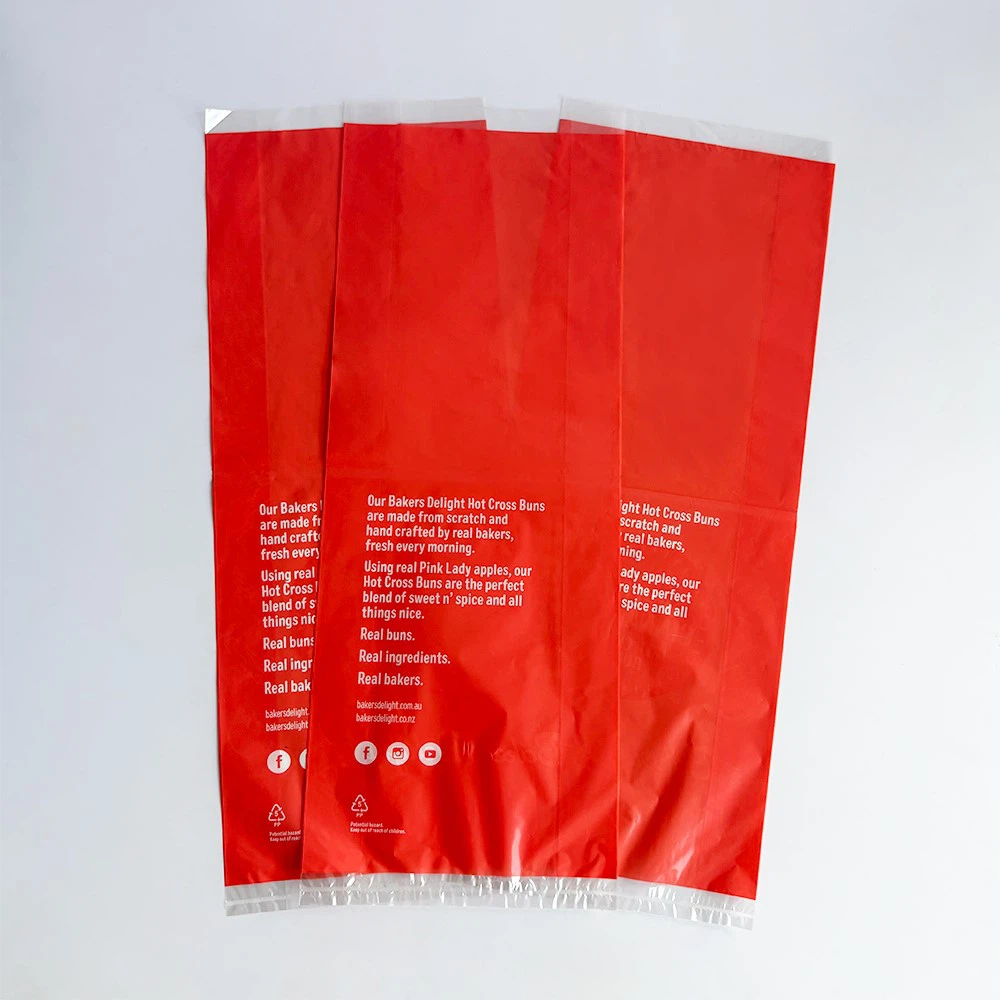
In the highly competitive bakery industry, packaging is more than just protection-it's a powerful branding and marketing tool. Wholesale branded bread plastic bags offer commercial bakeries a cost-effective way to maintain product freshness while enhancing brand visibility.
Whether you run a large-scale industrial bakery or a local chain, choosing the right bread packaging can directly impact your operational efficiency, product shelf life, and customer perception.
What Are Branded Bread Plastic Bags?
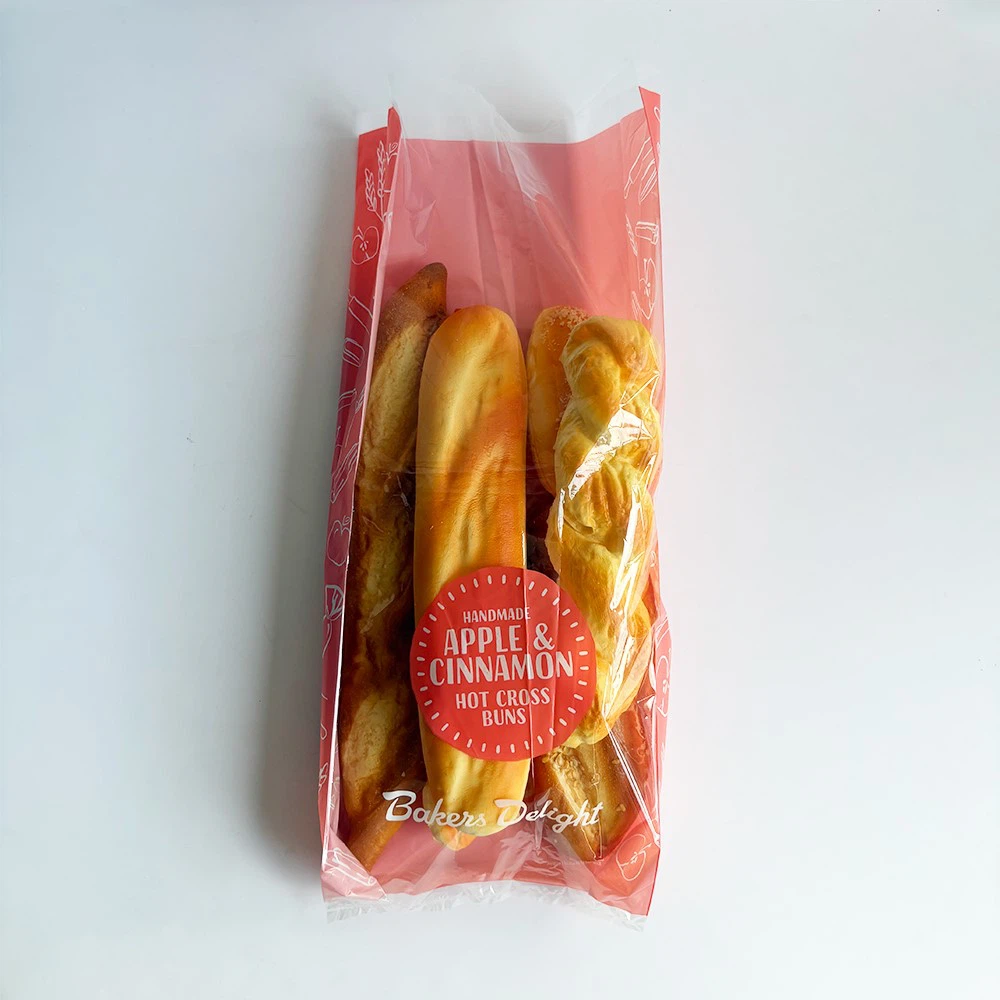
Branded bread plastic bags are custom-printed packaging solutions designed specifically for bread, buns, and baked goods. These bags typically feature:
Custom logos and brand colors
Transparent or semi-transparent film
Food-grade materials (PE, PP, CPP)
Optional closures (twist ties, clips, adhesive seals)
They are widely used in supermarkets, bakeries, food processing plants, and wholesale distribution channels.
Key Benefits of Wholesale Bread Plastic Bags
1. Cost-Effective Bulk Purchasing
Buying bread bags in bulk significantly reduces unit costs, making wholesale options ideal for:
Industrial bakeries
Food distributors
Retail chains
Lower packaging costs help improve overall profit margins.
2. Enhanced Brand Visibility
Custom printing transforms simple packaging into a mobile advertisement. A well-designed branded bread bag can:
Increase brand recognition
Improve shelf appeal
Build customer trust
This is especially important in crowded retail environments.
3. Excellent Freshness Protection
High-quality plastic bread bags offer:
Moisture retention to keep bread soft
Protection against contamination
Extended shelf life
Optional micro-perforation can also help maintain the right balance between airflow and freshness.
4. Customization Flexibility
Wholesale suppliers typically provide full OEM/ODM services, including:
Custom sizes and thickness (e.g., 20–60 microns)
Multiple colors and printing options
Different bag styles (flat bags, gusseted bags, wicketed bags)
This flexibility allows bakeries to match packaging with product type and branding strategy.
5. Efficient Packaging Operations
Many bread plastic bags are compatible with:
Automatic bagging machines
Wicketed packaging systems
High-speed production lines
This improves packaging efficiency and reduces labor costs.
Common Materials for Bread Plastic Bags
Choosing the right material is essential for performance and compliance:
LDPE (Low-Density Polyethylene): Soft, flexible, cost-effective
HDPE (High-Density Polyethylene): Stronger, more rigid
CPP (Cast Polypropylene): High clarity, excellent moisture barrier
Co-extruded Films: Multi-layer structure for enhanced durability
All materials should meet food-grade safety standards such as FDA or EU regulations.
Popular Types of Branded Bread Bags
1. Flat Bread Bags
Simple design
Suitable for standard loaves
2. Gusseted Bread Bags
Expandable sides or bottom
Ideal for bulky or artisan bread
3. Wicketed Bread Bags
Pre-loaded on metal wickets
Designed for automated packaging
4. Perforated Bread Bags
Micro-perforation for ventilation
Prevents condensation buildup
Typical Sizes and Thickness
| Bag Type | Common Size (cm) | Thickness (microns) |
|---|---|---|
| Standard Bread Bag | 20 × 35 | 25–40 |
| Large Loaf Bag | 25 × 45 | 30–50 |
| Gusseted Bag | 20 × 35 + 5 gusset | 30–60 |
| Wicketed Bag | Custom | 20–40 |
Note: Sizes and thickness can be fully customized based on your product requirements.
Applications in the Bakery Industry
Wholesale branded bread plastic bags are widely used for:
White bread and whole wheat loaves
Buns, rolls, and sandwich bread
Artisan and sourdough bread
Frozen or pre-packaged bakery products
They are suitable for both retail display and bulk distribution.
Packaging Trends in 2026
To stay competitive, bakeries are adopting modern packaging trends:
Eco-friendly materials: recyclable or biodegradable plastics
Minimalist branding: clean and premium design
High-definition printing: better shelf impact
Smart packaging: QR codes for traceability and marketing
Sustainability is becoming a key factor in purchasing decisions, especially in North America and Europe.
How to Choose the Right Supplier
When sourcing wholesale bread plastic bags, consider:
Manufacturing experience and certifications (ISO, SGS)
Customization capabilities (OEM/ODM services)
Consistent quality and food safety compliance
Production capacity and delivery time
Export experience and global logistics support
A reliable supplier ensures stable quality and long-term cooperation.
FAQ
1. Are bread plastic bags food-safe?
Yes, high-quality bread bags are made from food-grade materials that comply with FDA or EU standards.
2. Can I customize my logo and design?
Absolutely. Most manufacturers offer full custom printing, including colors, logos, and patterns.
3. What is the best thickness for bread bags?
Typically, 25–40 microns is sufficient for standard bread, but heavier products may require thicker films.
4. Are eco-friendly options available?
Yes, recyclable, biodegradable, and compostable materials are increasingly available.
Conclusion
Wholesale branded bread plastic bags provide an ideal balance between cost efficiency, product protection, and brand promotion. For commercial bakeries, investing in high-quality customized packaging is not just a necessity-it's a strategic advantage.
If you're looking to scale your bakery operations and strengthen your brand presence, choosing the right packaging partner is the first step toward long-term success.